Join an Italian aerospace company developing propulsion, autonomous flight systems, and mission-driven capabilities for aerospace, defense, and space.
View open positions →Engineering depth
Work across propulsion, aerodynamics, autonomy, structures, software, and system integration.
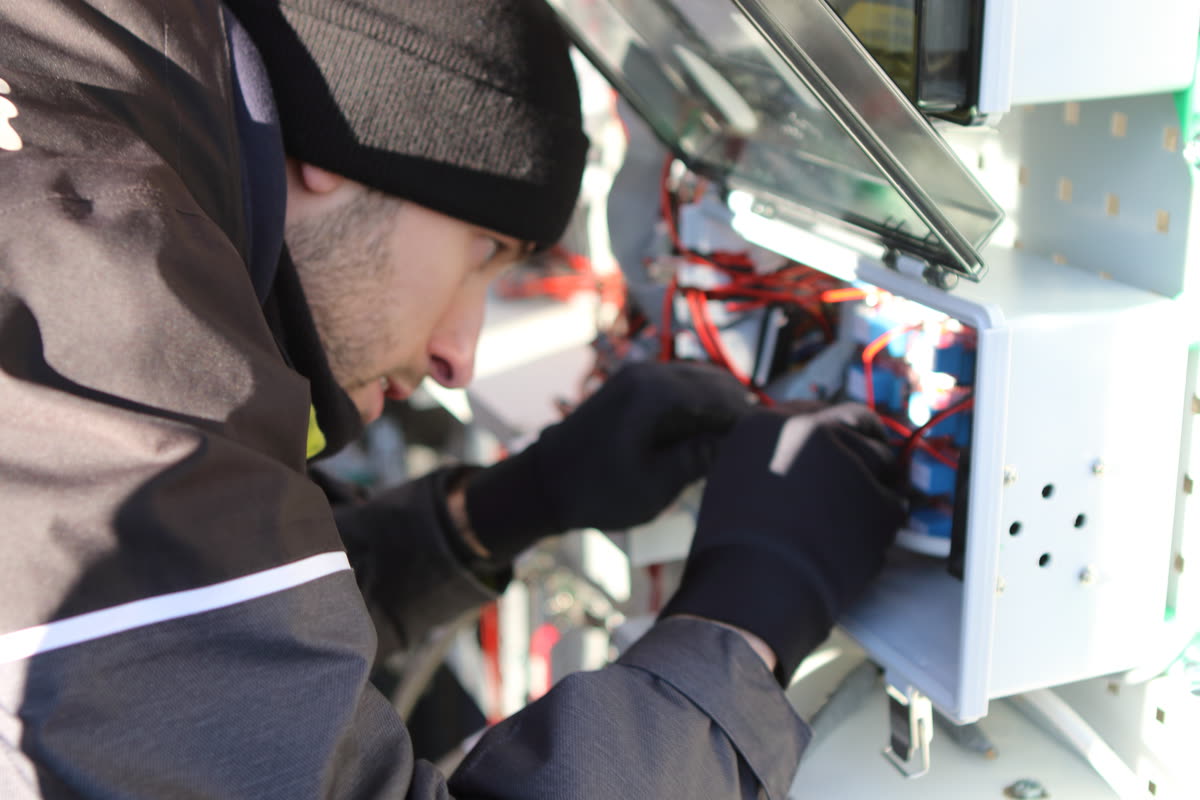
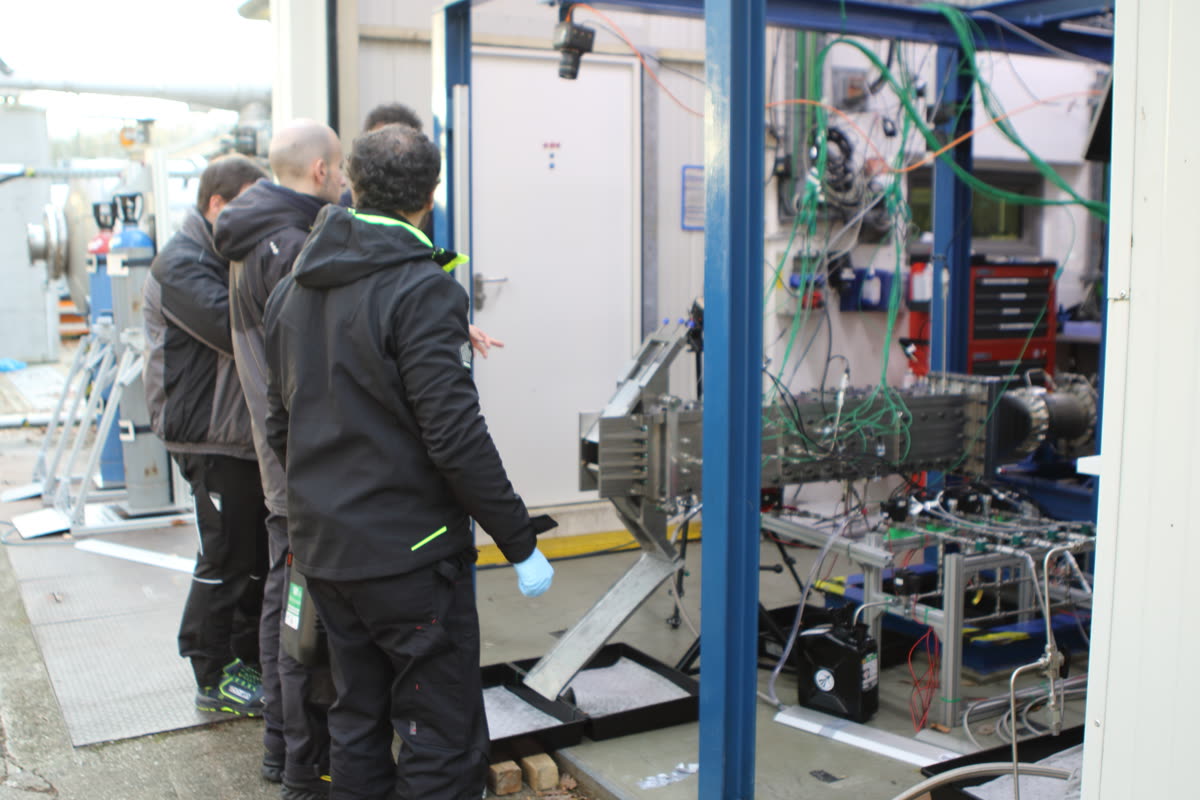
Real hardware
Move from analysis to manufacturing, ground testing, and flight, using data to drive every iteration.
Italian roots. European scope.
Based in Milan and connected to specialist laboratories, suppliers, and industrial partners across Europe.
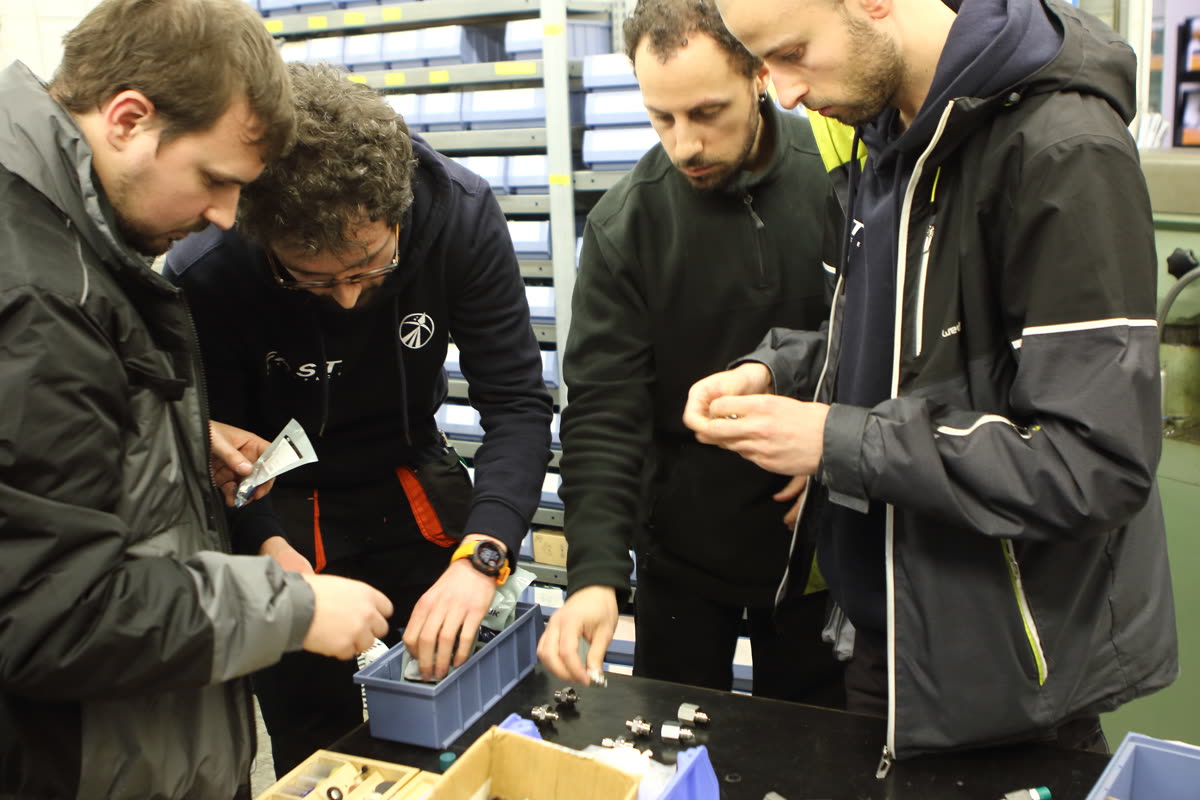
FAST combines the pace of a focused engineering company with the rigor of aerospace development. You will work close to hardware and data, moving between analysis, design, procurement, integration, and test while collaborating with specialist laboratories, suppliers, and industrial partners across Europe. The work spans propulsion and autonomous systems for aerospace, defense, and space missions.
Ramjet and turbine-based propulsion, combustion, injection, thermal management, intake and nozzle integration, ground testing, and flight integration.
High-speed vehicle design, CFD, aeroheating, stability, flight mechanics, and control-surface sizing, supported by simulation and test data.
Flight computers, sensors, telemetry, navigation, guidance, and real-time control for autonomous demonstrators and operationally relevant platforms.
Lightweight structures, high-temperature materials, thermal protection, composite manufacturing, and integration for demanding flight environments.
Embedded firmware, test automation, data acquisition, simulation tools, control systems, and engineering data pipelines that connect hardware and analysis.
Requirements, interfaces, integration, safety, test readiness, and ground and flight operations across experimental platforms and future aerospace and defense systems.
Understand the physics, trade-offs, and failure modes behind the systems you own.
Close the loop from concept and CAD to procurement, assembly, testing, and the next design change.
Take responsibility for outcomes and communicate decisions clearly across teams, suppliers, laboratories, institutions, and partners.
Thank you. Our team will review your application and contact you if your profile matches the role.